Fluid on the knee: symptoms, treatment


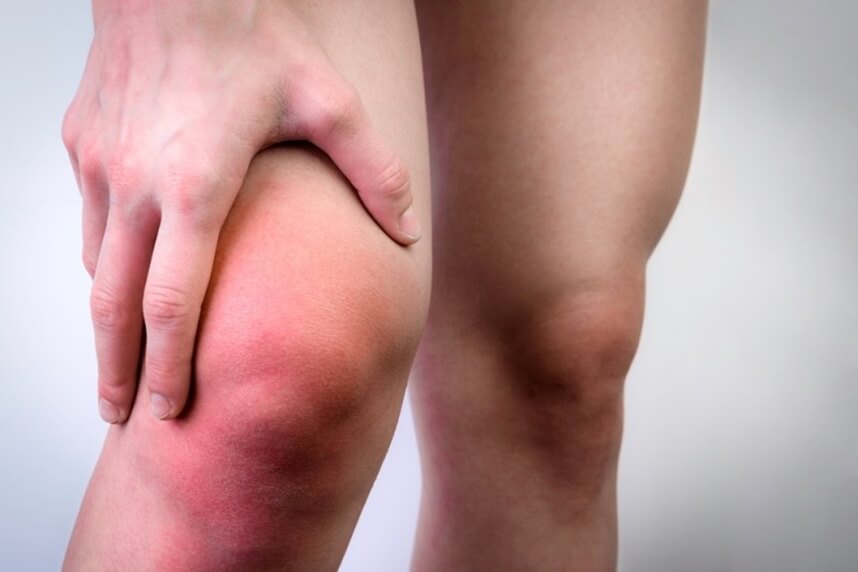
Have you noticed that your knee has increased in volume, feels tight, or hurts when walking? Fluid in the knee occurs frequently, both after physical effort and in the absence of a clear traumatic event. Many people choose to wait, hoping the problem will resolve on its own. In many cases, this delay leads to prolonged discomfort and limitation of daily activities.
This article helps you understand what knee fluid means, why it occurs, what symptoms it may cause, and what the correct steps are to follow. The information is based on common medical practice and the observations of Centrokinetic specialists.
What is fluid in the knee?
Inside the knee there is normally a small amount of synovial fluid. It lubricates the joint surfaces and allows smooth movement of the bones. When the body produces more fluid than necessary, what doctors call joint effusion occurs, a term that describes the excessive accumulation of fluid inside the joint.
Excess fluid is not a condition by itself. It signals a reaction of the joint to a local problem such as inflammation, cartilage wear, or an internal injury. In certain situations, the fluid may contain blood, which is common after trauma, or it may have an infectious origin, a situation that requires prompt medical evaluation.
It is important to remember that the presence of fluid alone does not explain the cause. The physician always looks for the reason why the joint is reacting in this way.
Common causes of fluid in the knee
In most cases, fluid in the knee appears as a response to mechanical or inflammatory stress. The most common causes include:
- trauma such as sprains, ligament tears, meniscal injuries, or falls;
- overuse through repetitive effort, intense running, or activities without adequate recovery periods;
- degenerative conditions, especially knee osteoarthritis, also known as gonarthrosis;
- local inflammation such as bursitis or tendinitis; the bursa is a small fluid-filled sac that reduces friction between structures;
- systemic inflammatory diseases such as rheumatoid arthritis, gout, or pseudogout.
A common example is knee osteoarthritis. As cartilage becomes thinner, the joint becomes more sensitive to load, and the body reacts through inflammation and increased fluid production.
Fluid may also appear without intense pain or without a recent traumatic event, which sometimes delays medical consultation.
Symptoms associated with fluid in the knee
Symptoms vary depending on the amount of fluid and the cause that triggered the accumulation. The most common symptoms include:
- visible swelling; the affected knee appears larger than the other;
- a sensation of pressure or tension in the joint;
- pain when bending the knee or when going up or down stairs;
- stiffness, especially in the morning or after longer periods of rest;
- a feeling of instability or weakness while walking.
When fluid accumulates in large volume, internal pressure increases. This pressure may inhibit the function of the quadriceps muscle, which is essential for knee stability. In practice, patients often feel that the leg no longer supports them properly.
Signs such as intense redness, local warmth, fever, or severe pain require immediate medical evaluation, as they may indicate infection or other complications.
What happens inside the joint when fluid accumulates?
As fluid builds up, the joint space fills and movement becomes limited. The knee no longer functions smoothly, and the cartilage is subjected to increased pressure with each step.
If inflammation persists, the joint may enter a vicious cycle: knee pain limits movement, muscles weaken, and stability decreases. Over time, this mechanism may accelerate cartilage wear and contribute to the development of a Baker’s cyst, a fluid accumulation behind the knee.
Diagnosis and investigations
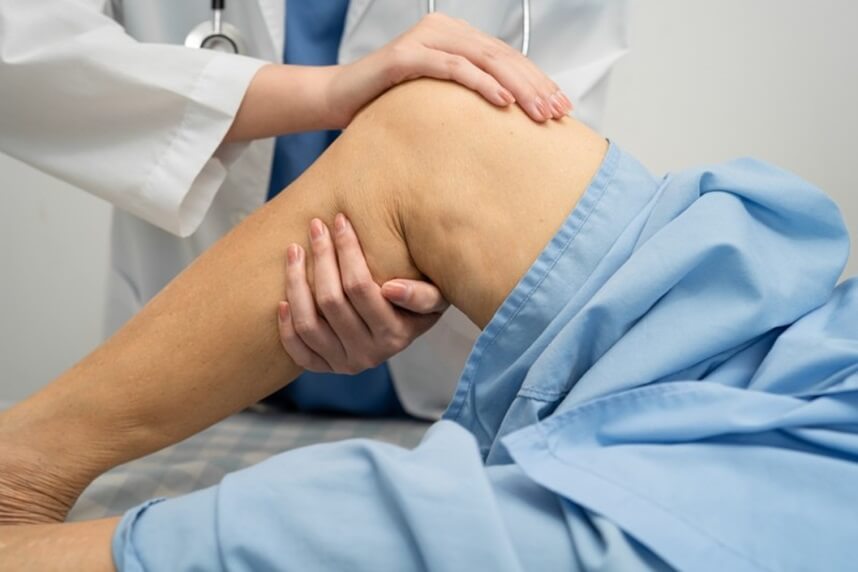
Proper evaluation begins with an orthopedic or sports medicine consultation. The physician discusses symptom onset, physical activity level, and possible trauma, then examines both knees for comparison. To clarify the cause, investigations adapted to each case may include:
- musculoskeletal ultrasound, useful for confirming the presence of fluid and evaluating soft tissues;
- X-ray imaging, which shows alignment and bone changes;
- MRI, recommended when meniscal, ligament, or cartilage injuries are suspected.
MRI provides detailed images and helps the physician establish an accurate diagnosis. In some situations, joint aspiration may be recommended. This procedure involves removing fluid with a sterile needle and serves both diagnostic and therapeutic purposes. Fluid analysis can provide clues about the cause of inflammation.
Treatment and management
The correct approach does not focus only on removing the fluid, but especially on treating the cause that led to its accumulation. The treatment plan is established individually, depending on the diagnosis, age, and activity level of the patient.
Commonly used measures include:
- temporary reduction of joint loading and adjustment of activities;
- anti-inflammatory or pain medication, only as recommended by the physician;
- fluid aspiration when large volume causes pain or functional limitation;
- intra-articular injections, indicated in certain conditions.
Joint injections may contain corticosteroids or hyaluronic acid. They help control inflammation and pain but have clear indications and possible side effects, such as local irritation or limits on the number of administrations.
Self-medication and empirical treatments may mask real symptoms and delay correct diagnosis. For this reason, medical consultation remains the first recommended step.
Rehabilitation and physiotherapy
After inflammation is controlled, guided movement helps restore knee function. Physiotherapy aims to increase mobility, strengthen muscles, and improve joint stability.
In Centrokinetic practice, rehabilitation programs are adapted to each patient and may include:
- exercises for neuromuscular control and stability;
- strengthening of thigh, hip, and calf muscles;
- gradual return to walking and daily activities.
For stable results, exercises are performed under the supervision of a physiotherapist, with periodic adjustments depending on progress.
Prevention and lifestyle
Although not all causes can be prevented, certain measures reduce the risk of fluid accumulation in the knee:
- gradually increasing the intensity of physical effort;
- alternating activity periods with adequate rest;
- maintaining a balanced body weight;
- strengthening muscles through properly guided exercises;
- paying attention to signals of pain or discomfort.
Prevention relies on consistency and adapting activities to the real capacity of the joint.
Common causes and initial approach
| Main cause | Predominant sign | Recommended initial approach |
|---|---|---|
| Trauma | Sudden swelling, pain | Orthopedic consultation and rest |
| Overuse | Tension, stiffness | Activity adjustment and evaluation |
| Knee osteoarthritis | Recurrent swelling | Investigations and combined treatment plan |
| Bursitis or tendinitis | Localized pain | Conservative treatment |
| Inflammatory conditions | Pain and stiffness | Specialist consultation |
Frequently asked questions about fluid in the knee
Can fluid in the knee disappear without treatment?
In some mild cases caused by overuse, fluid may resolve on its own. If swelling persists or returns, medical evaluation is recommended.
Is it risky to ignore fluid in the knee?
Yes, in certain situations. Persistent inflammation may accelerate cartilage wear and affect knee stability.
Can I continue sports activities if I have fluid in the knee?
Resuming physical activity without medical guidance may worsen the condition. The physician determines when and what type of activity is safe.
Why does fluid return after treatment?
Usually because the underlying cause has not been fully controlled. Proper management targets both symptoms and the factors that produce them.
Disclaimer: This material is for informational purposes only and does not replace medical consultation. For diagnosis and personalized treatment, consult a specialist.
BUCHAREST TEAM

















































CLUJ NAPOCA TEAM




























BRASOV TEAM

















MAKE AN APPOINTMENT
FOR AN EXAMINATION
See here how you can make an appointment and the location of our clinics.
MAKE AN APPOINTMENT
Asiguratori privati





Parteneriate



CENTROKINETIC FLOREASCA
Bucharest, 1st District,
Mircea Eliade Street, no. 18,
Eliade Tower, Entrance A, Floor 3
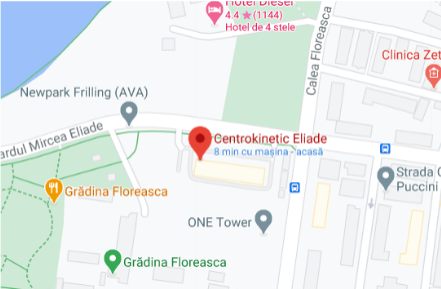
| Navigation | Explore 3D |
CENTROKINETIC Barbu Vacarescu
Bucharest, 2nd District,
Barbu Vacarescu Street, no. 102,
102 The Address, ground floor.
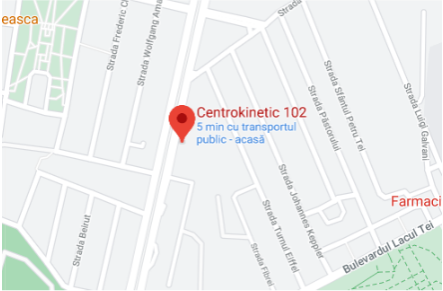
| Navigation | Explore 3D |
CENTROKINETIC MILITARI
Bucuresti, Sector 6,
Bld. Iuliu Maniu, nr. 15G,
Cladirea PBT, etaj 3.
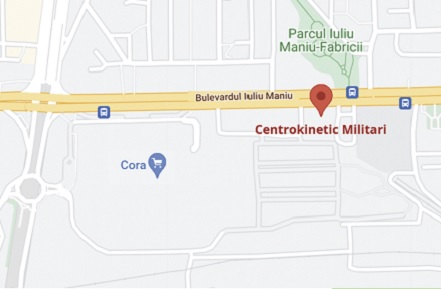
| Navigation |
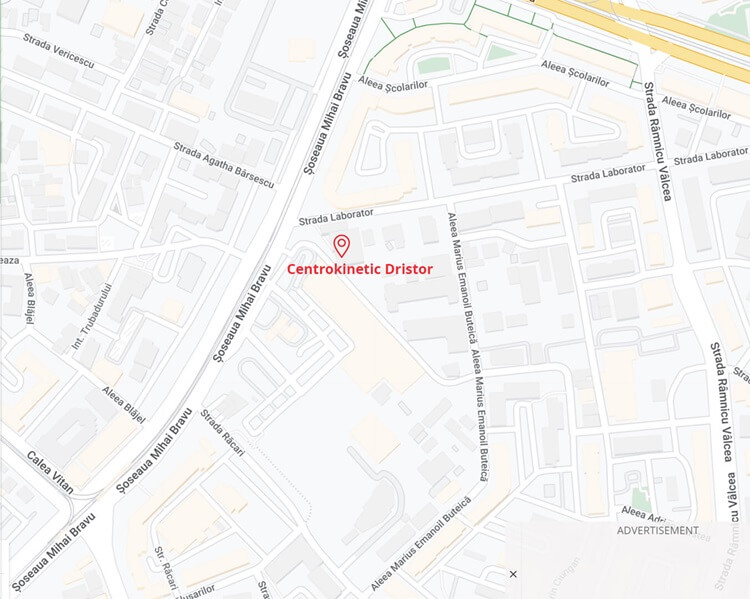
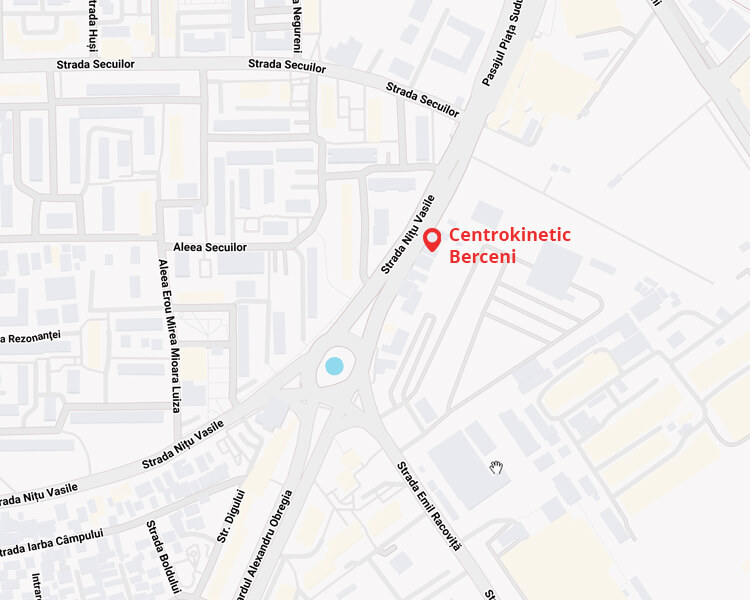
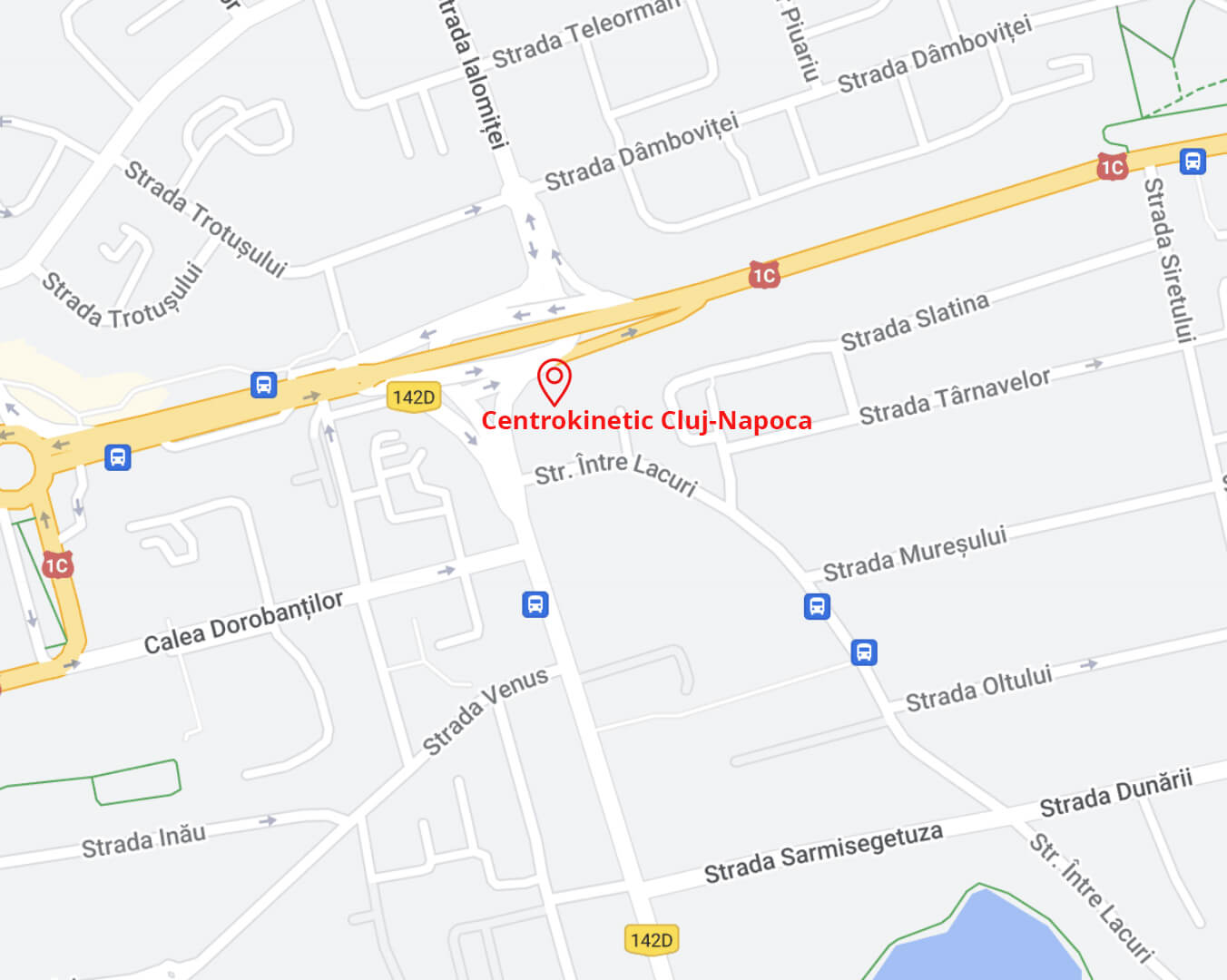
CENTROKINETIC CLUJ-NAPOCA
Cluj-Napoca,
Str. Intre Lacuri, nr.1
Intrarea este in spatele cladirii.
| Navigation |
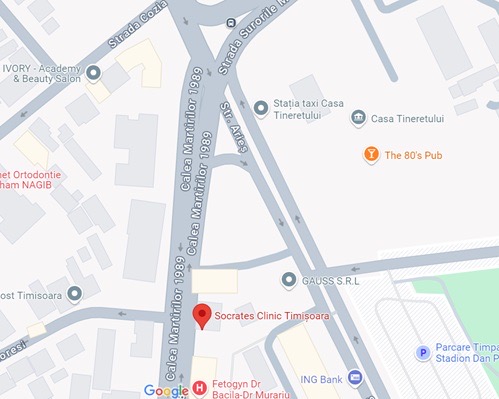
SOCRATES CLINIC TIMISOARA
Timisoara, Calea Martirilor 1989,
nr. 1.
Telefon: 0371 785 374.
| Navigation |
CONTACT
Phone: 0319693
E-mail: programari@centrokinetic.ro
Operating hours:
Monday – Friday: 07:00 – 21:00
Saturday: 09:00 – 14:00
Sunday: closed.
MAKE AN APPOINTMENT